
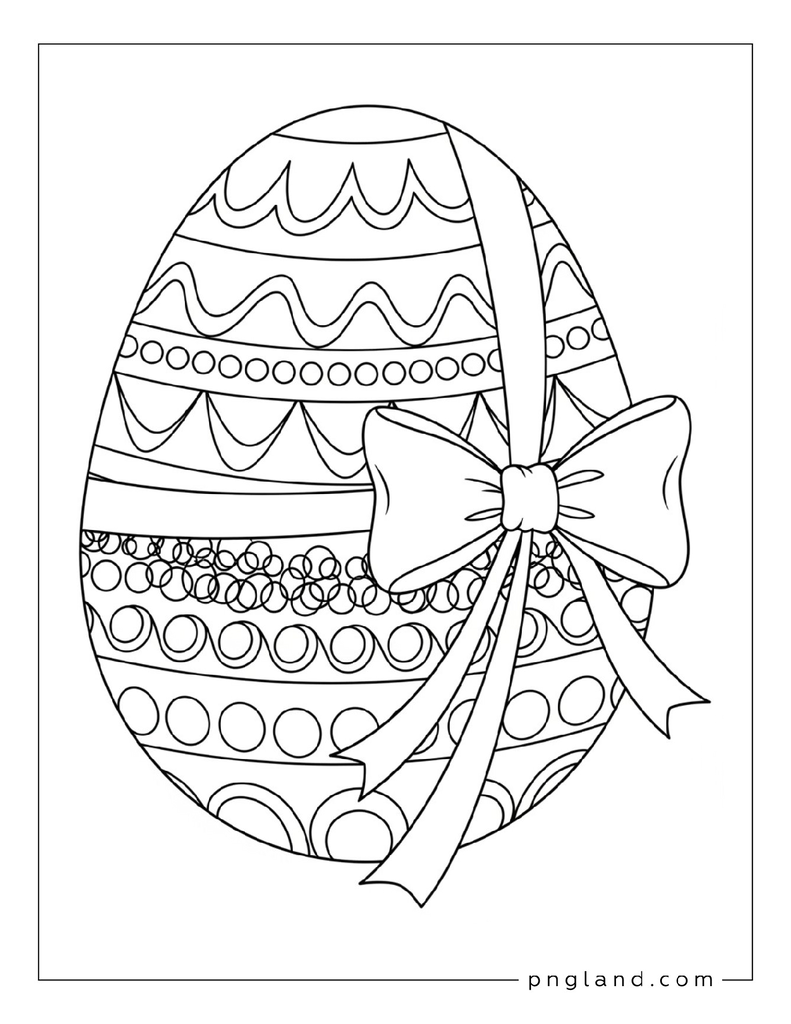
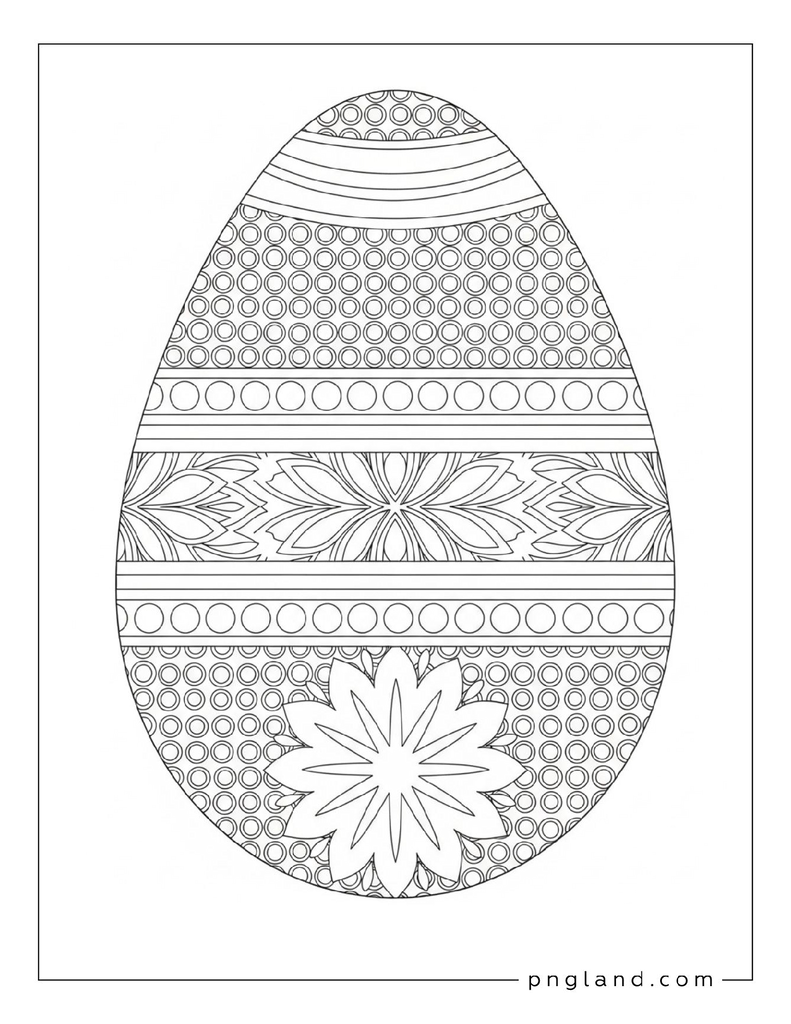
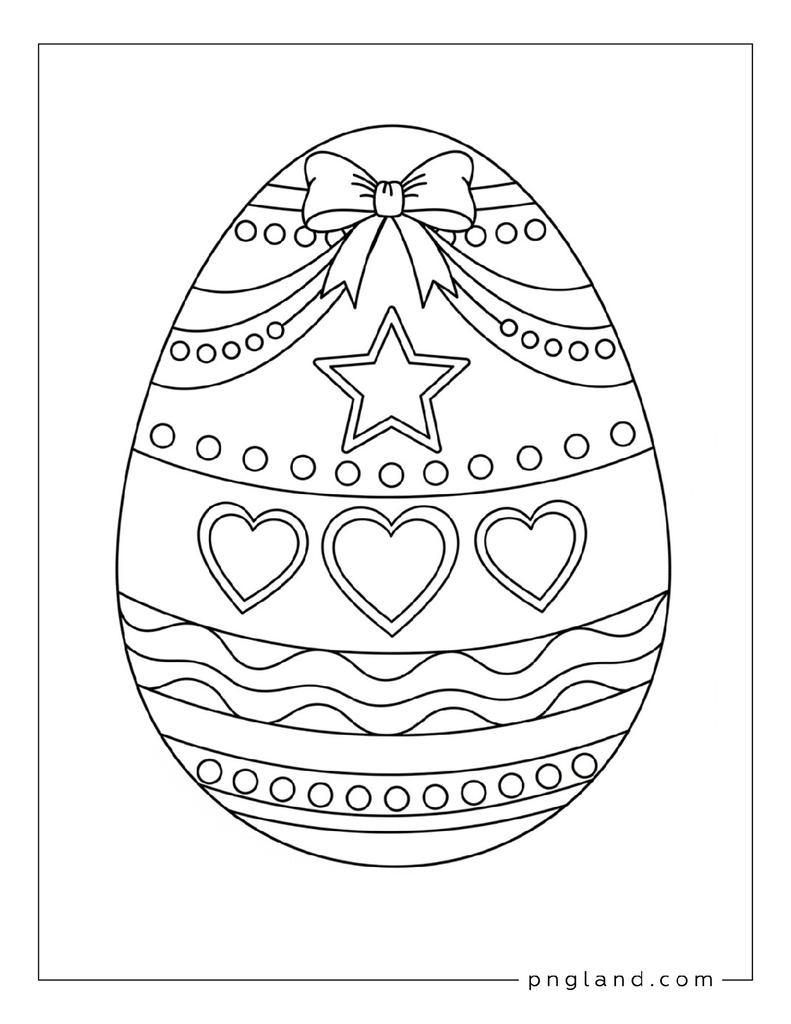
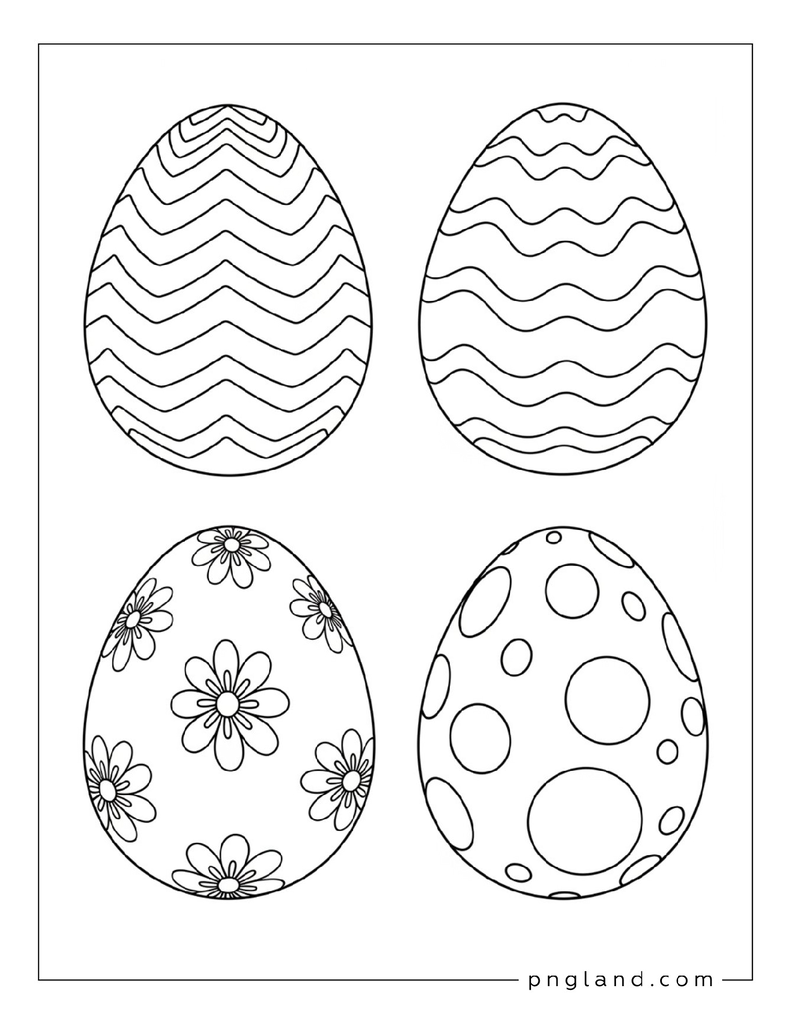
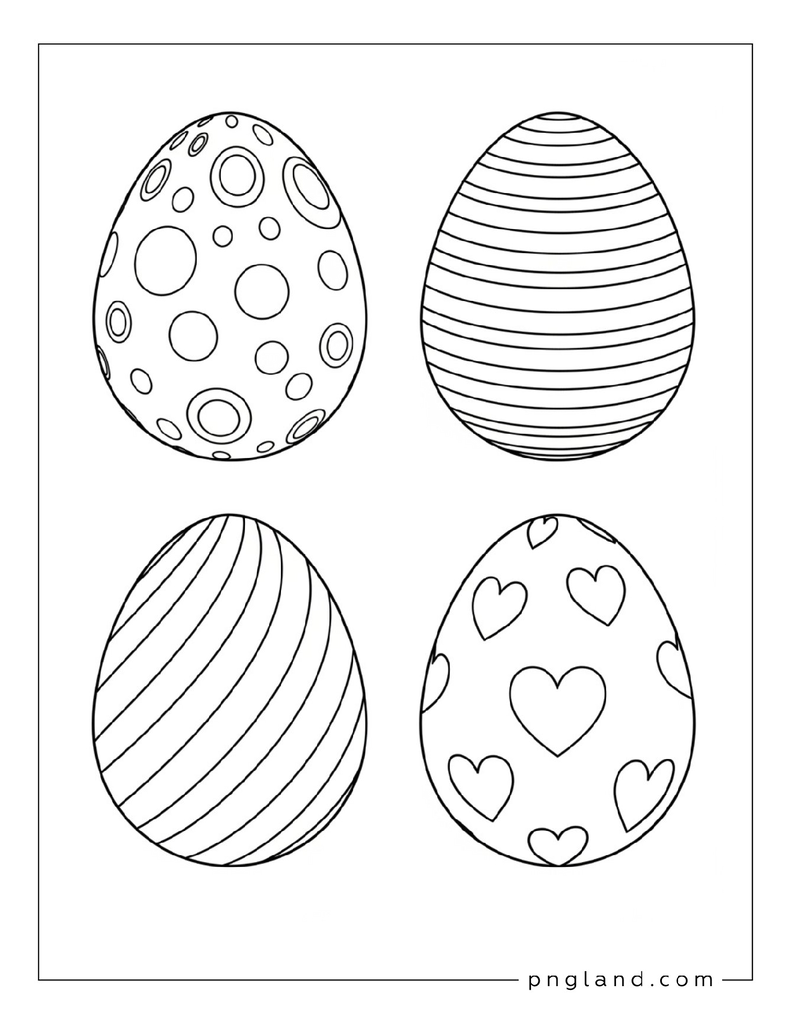
Easter egg coloring pages are one of those easy, low-stress things that can keep kids busy and also make grown-ups feel calm too. You don’t need fancy art skills. You just need a few crayons, markers, or colored pencils, and a little bit of time. Some eggs look best with simple stripes, and some look great with tiny details (but yeah, tiny details can be a bit annoying sometimes).
These printables are free to download and print. Once you open them, you can also find even more free designs to print. They are made in standard US letter size, and they also fit really nice on A4 paper too.
Easter egg coloring pages: 29 easy and fun ideas
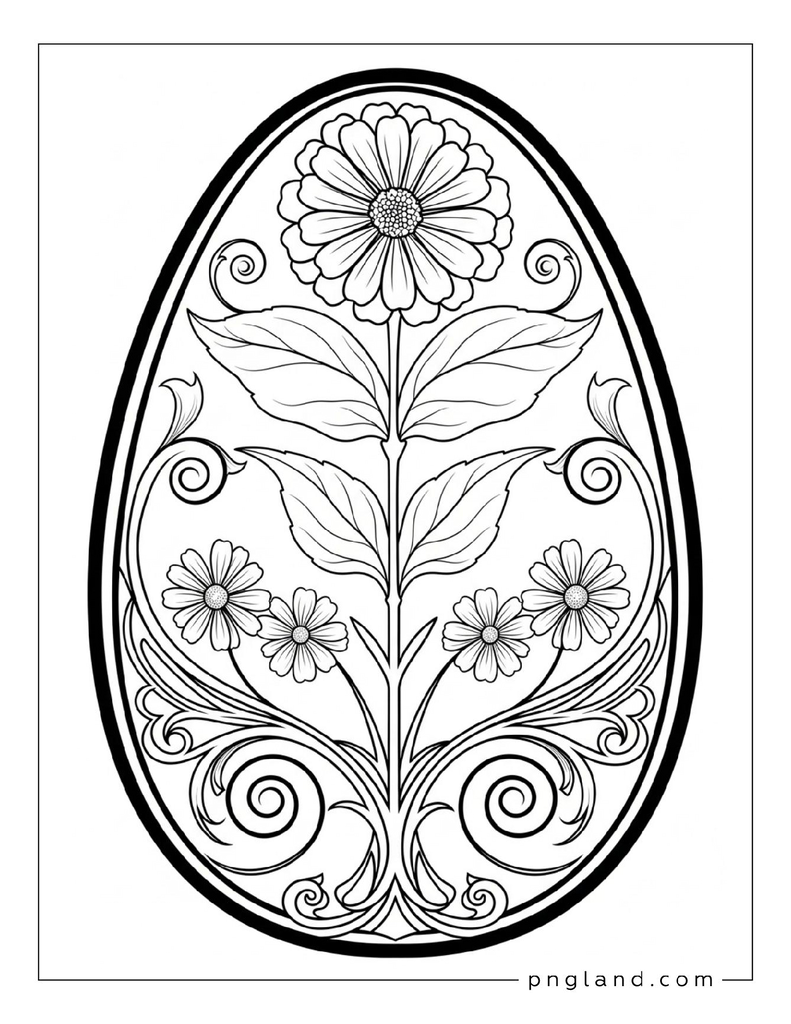
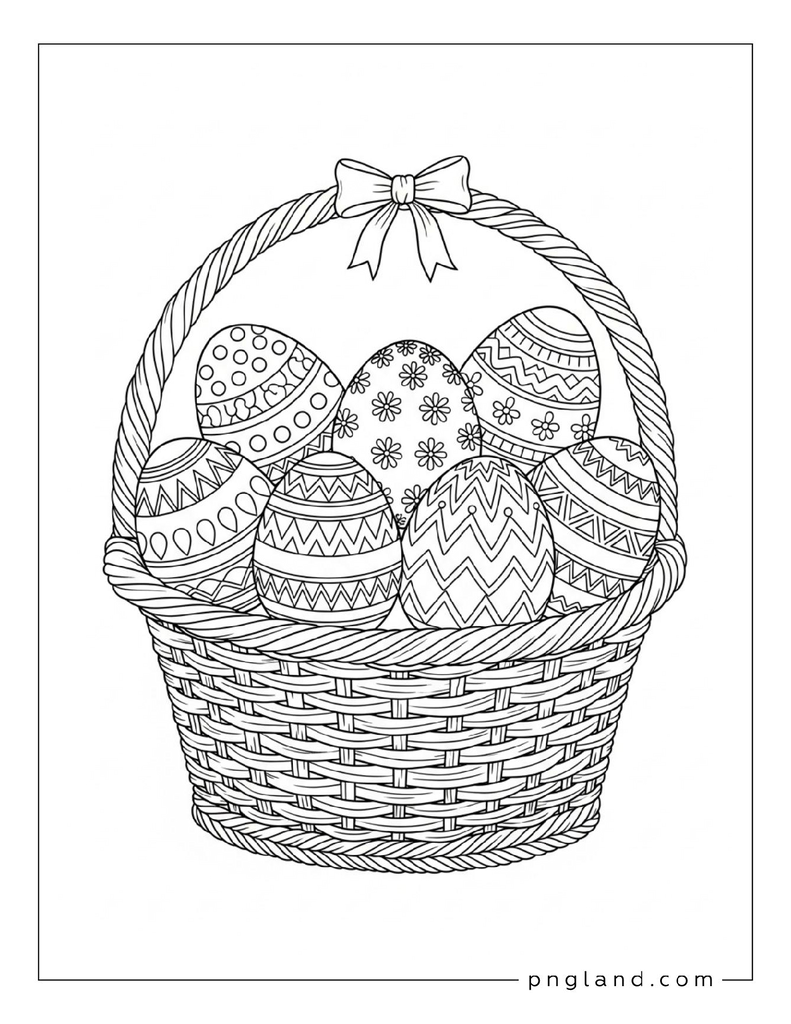
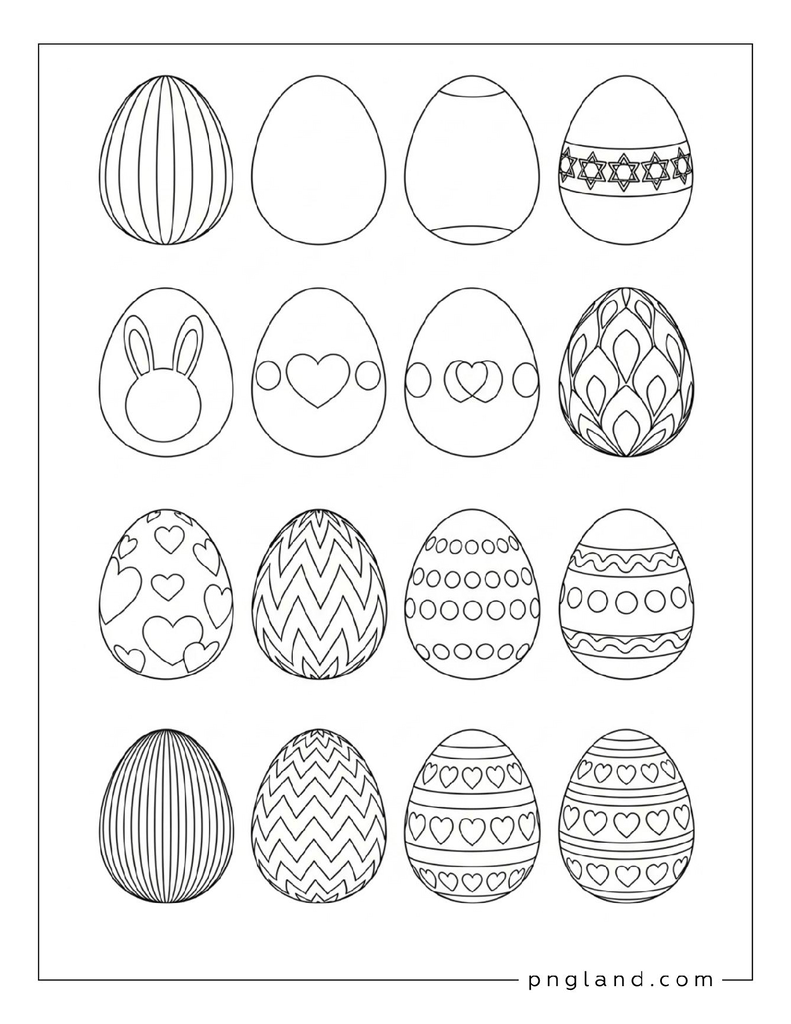
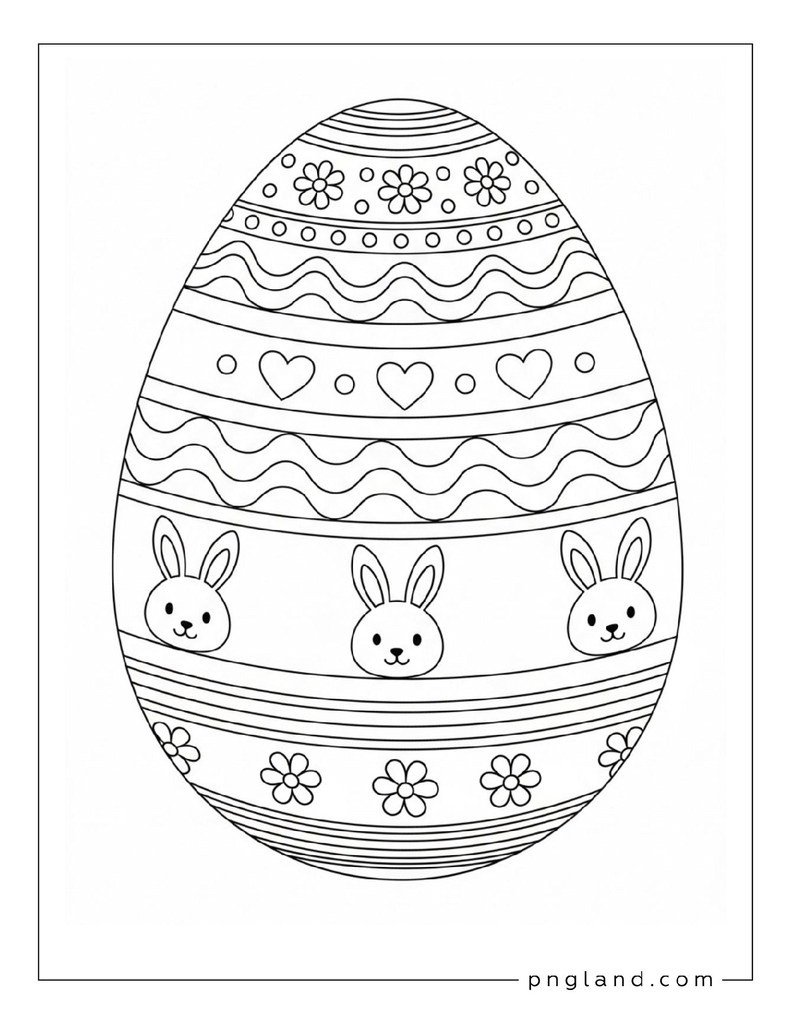
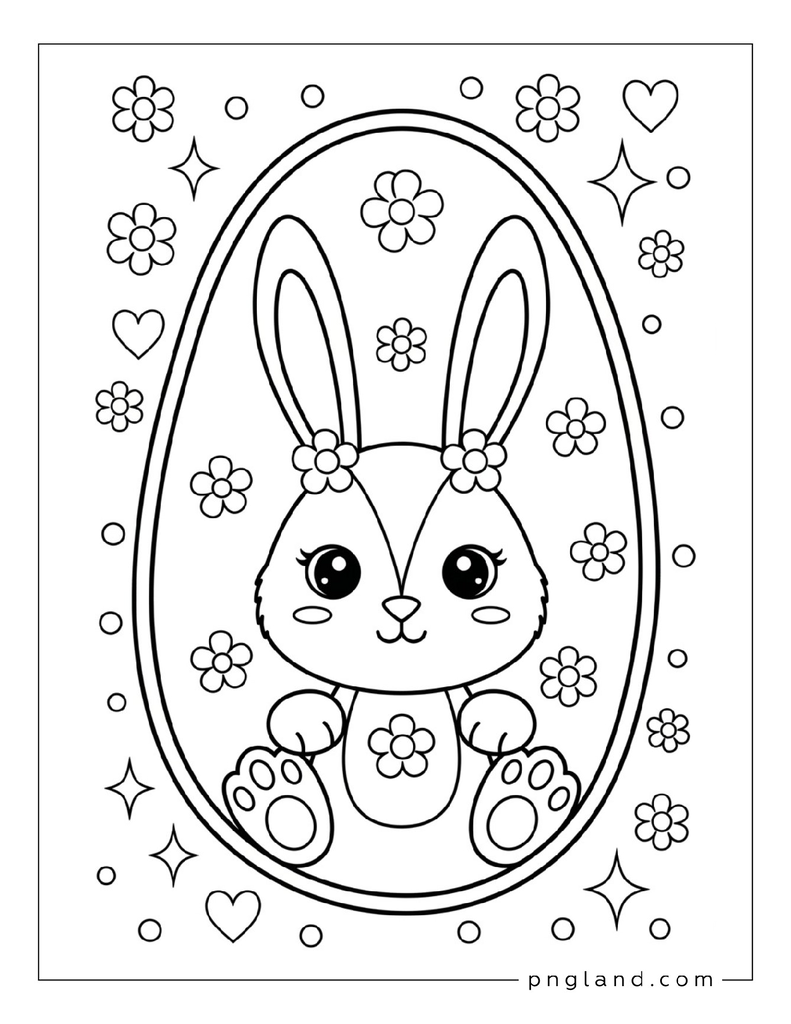
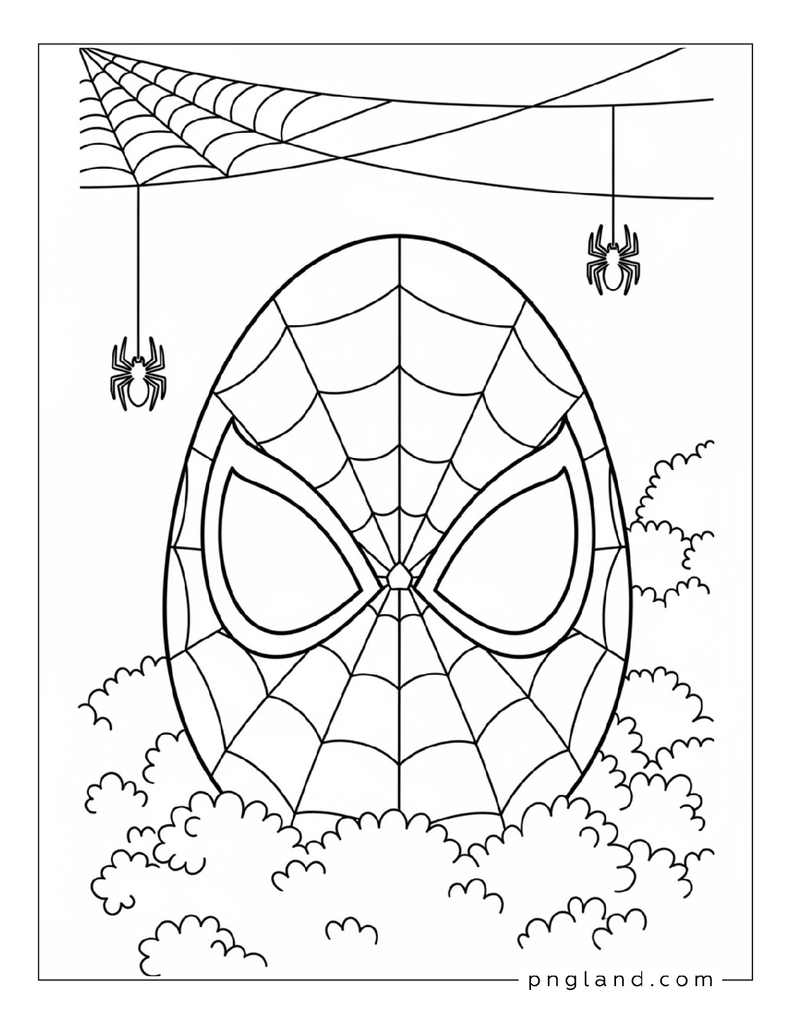
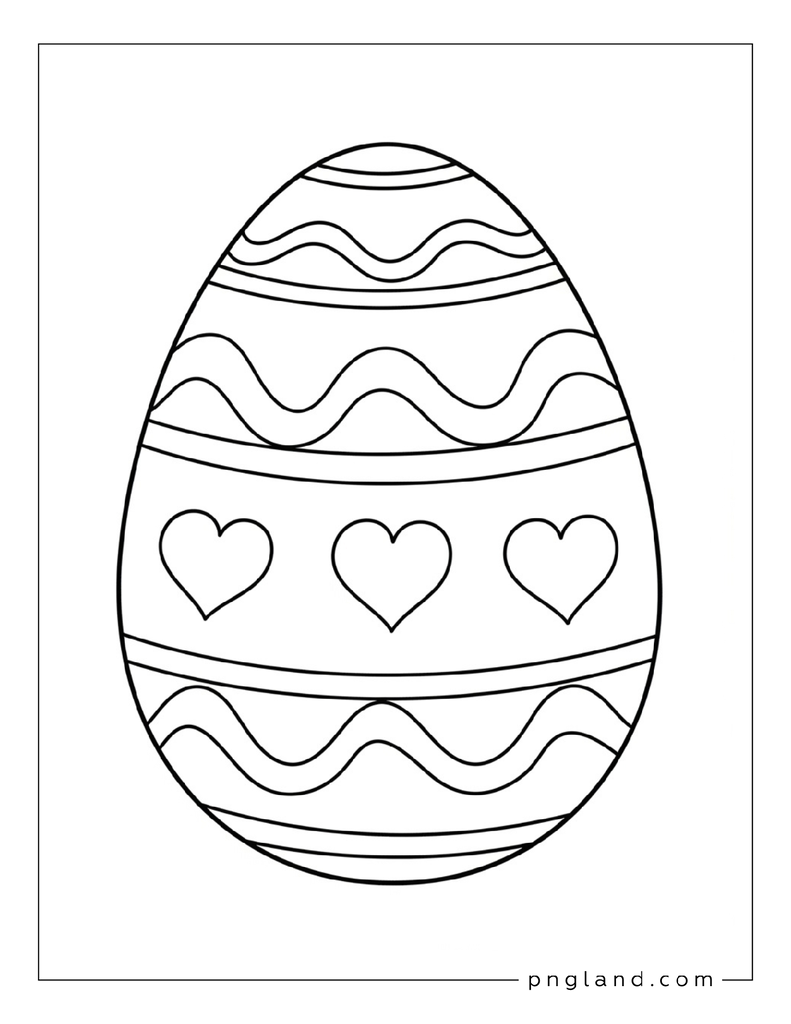
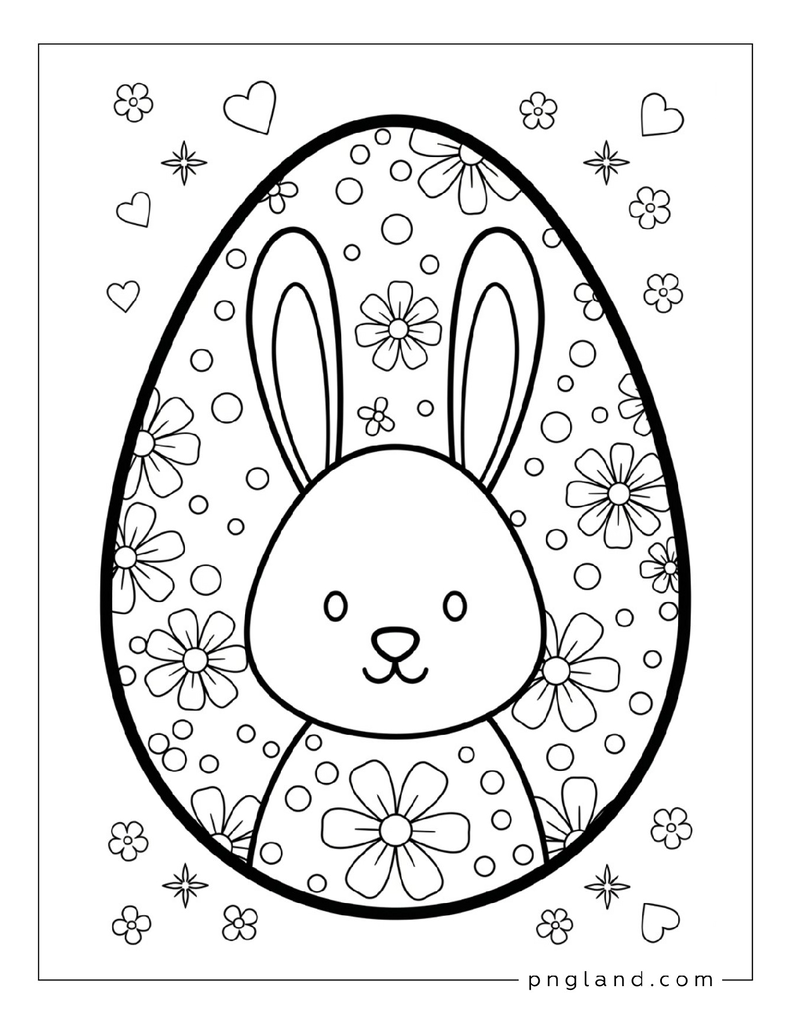
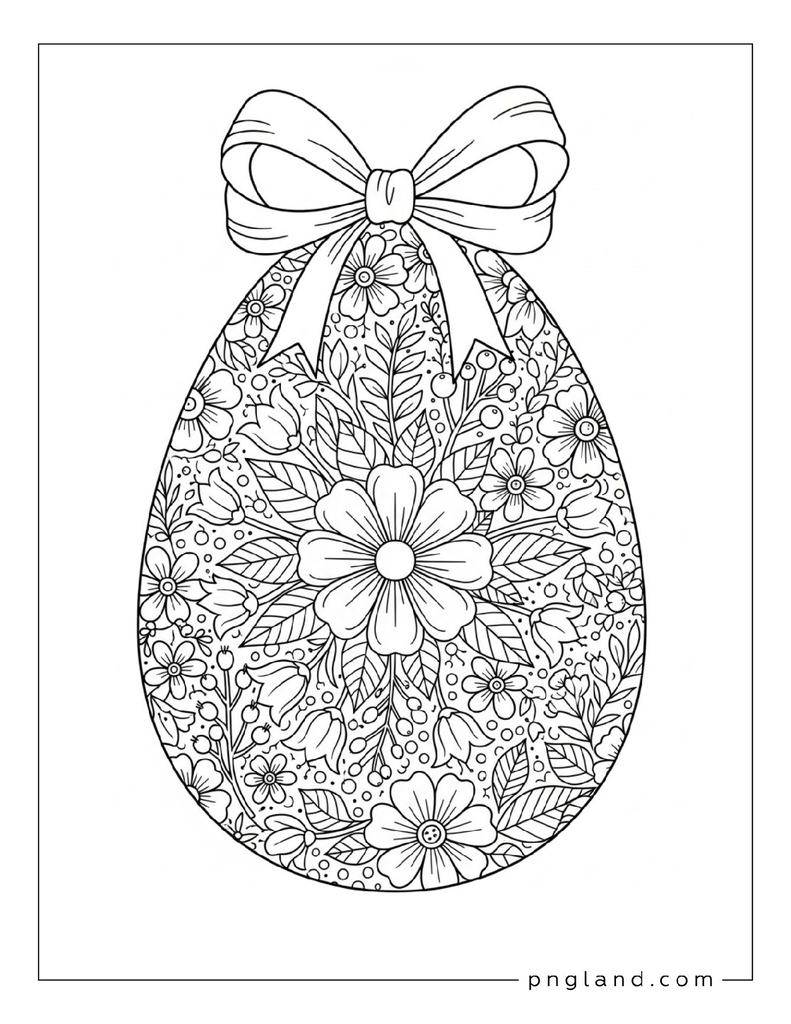
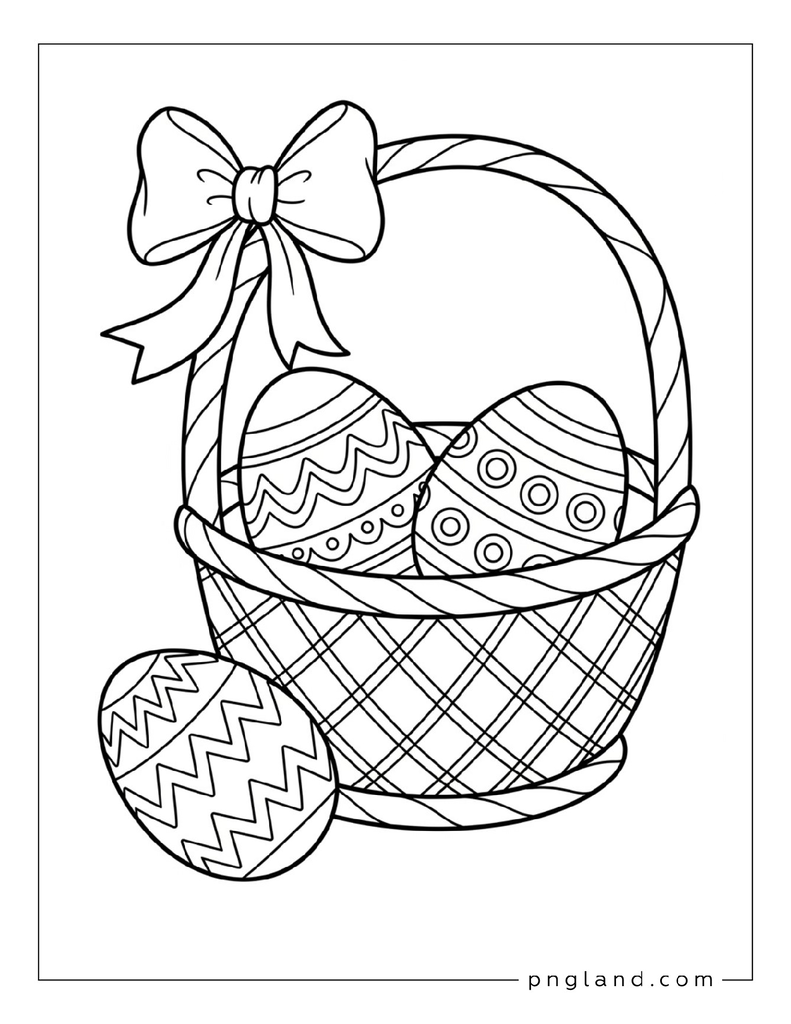
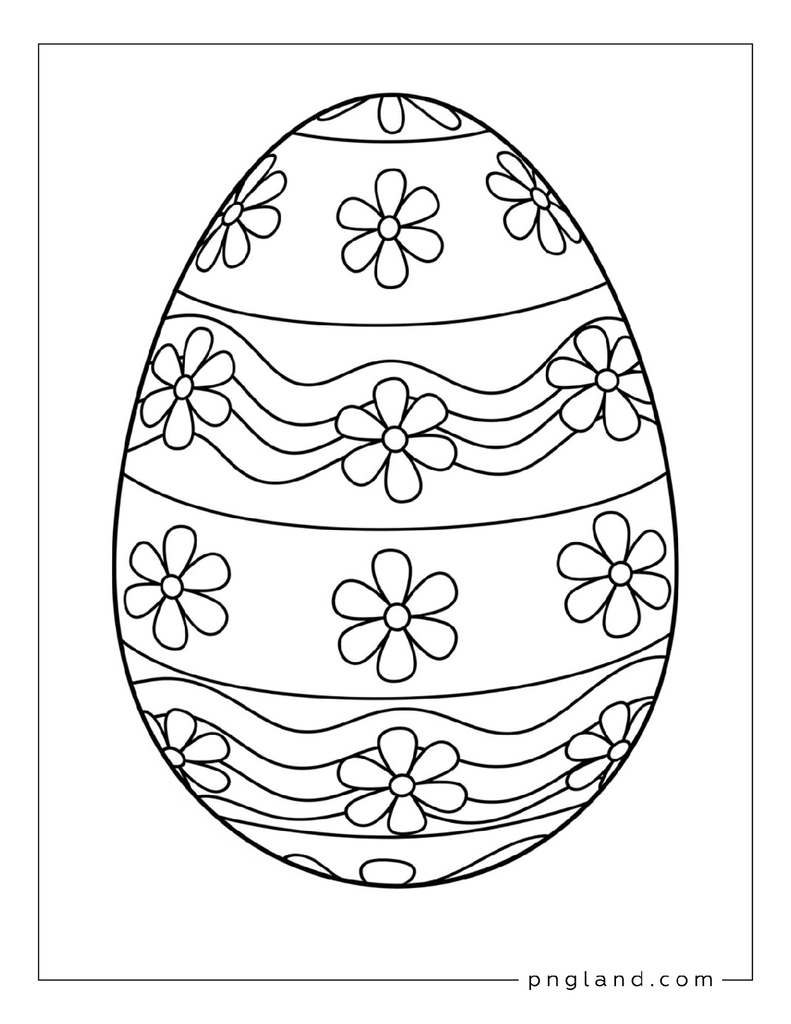
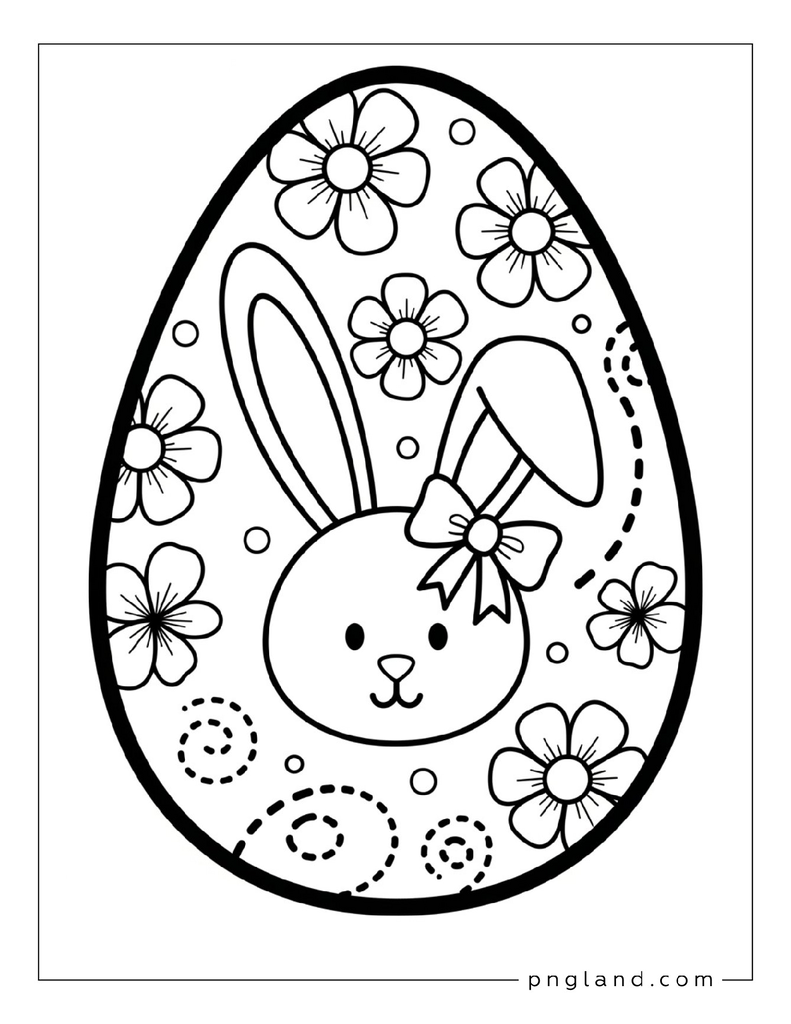
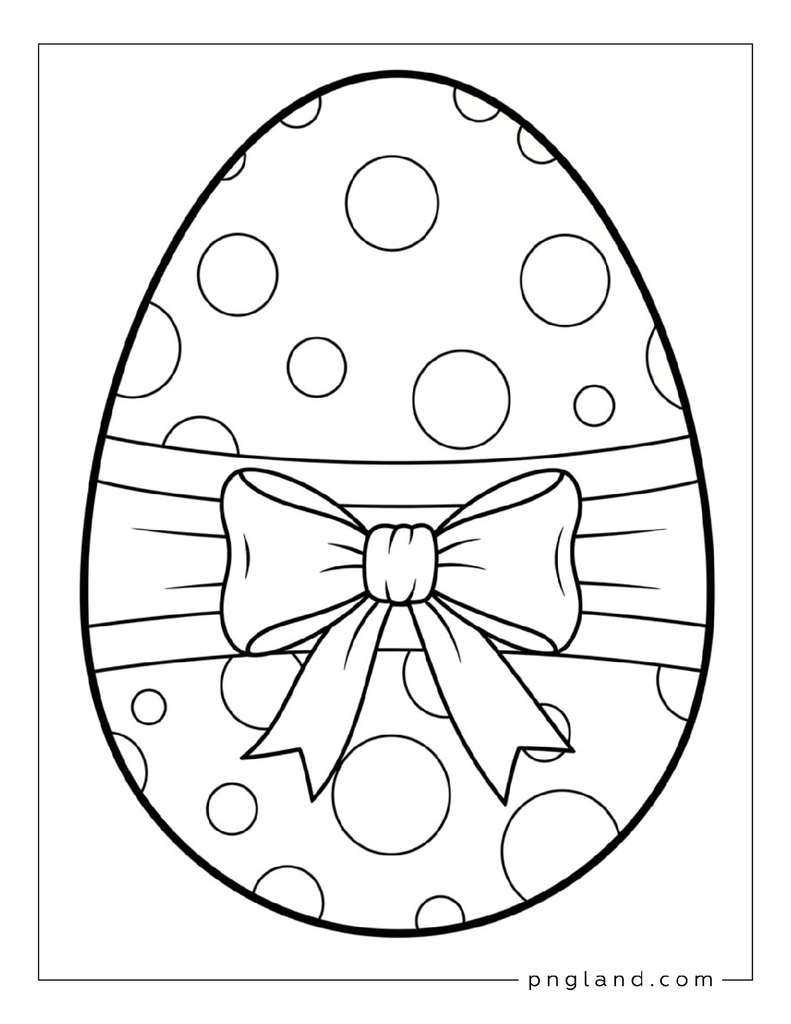
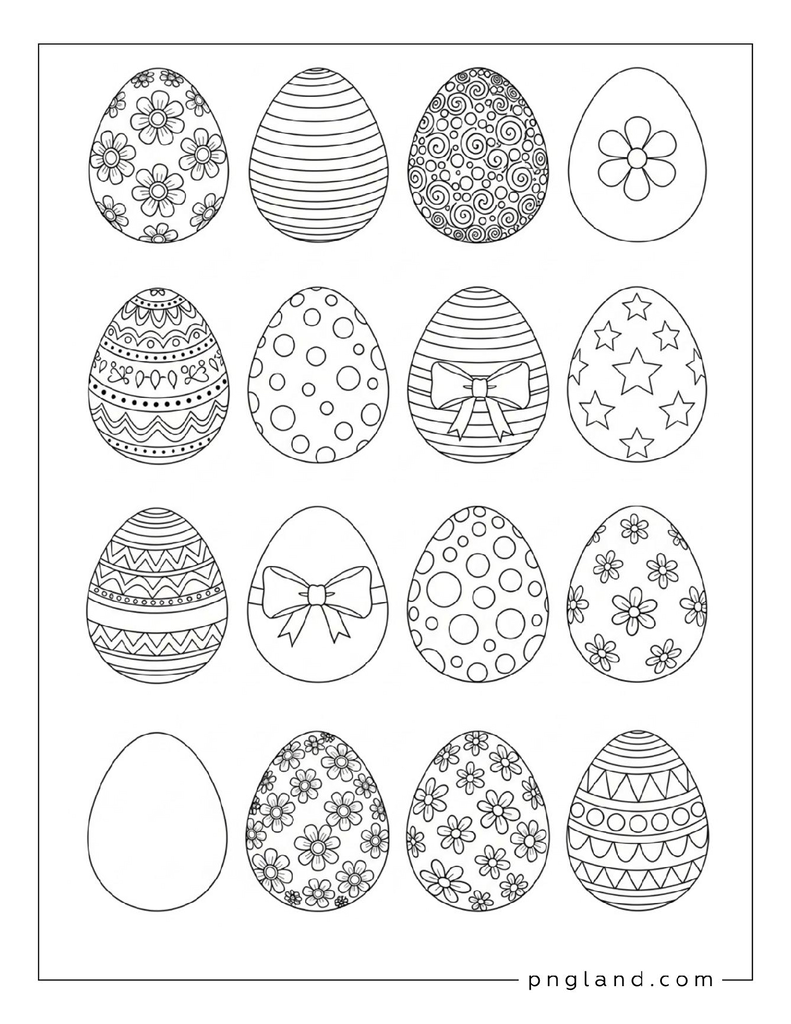
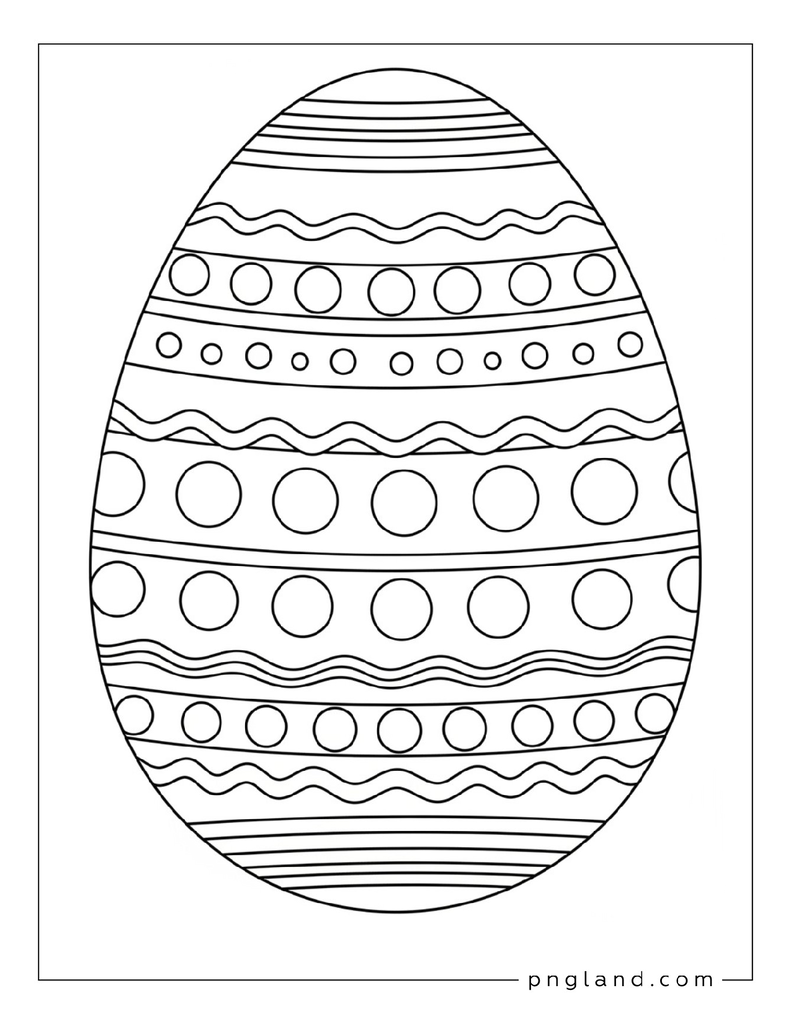
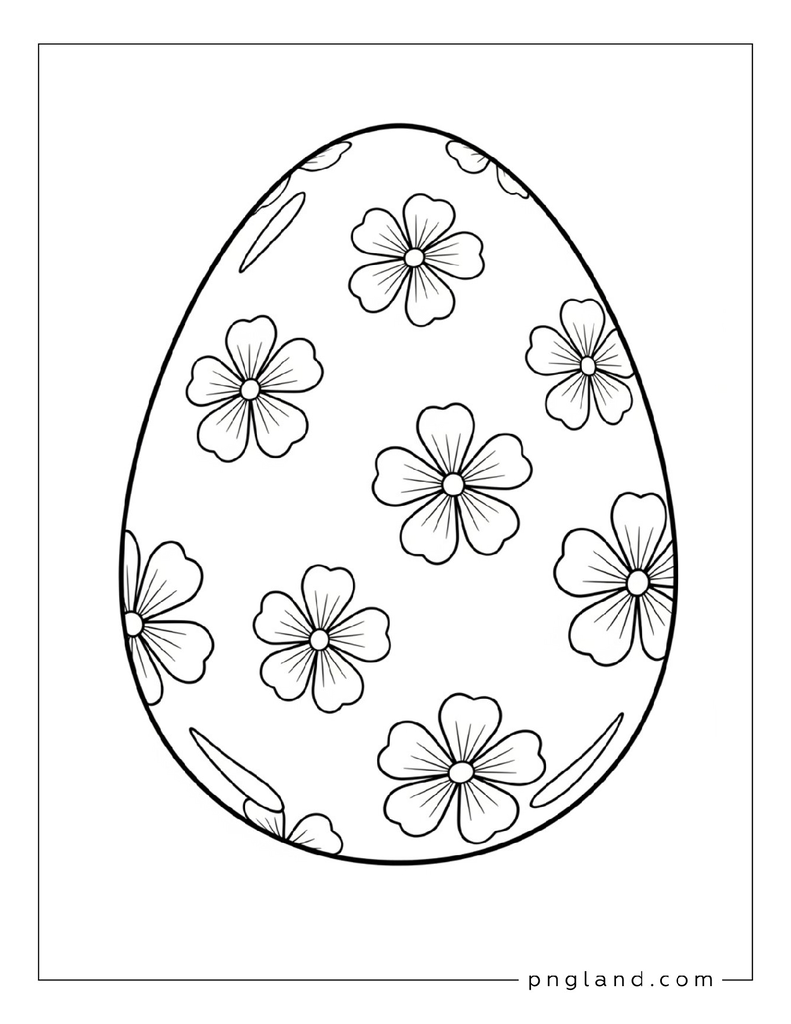
Quick coloring tips for Easter egg coloring pages
Keep it easy (especially if you’re doing a lot)
- Pick 3–5 colors first. If you pick 20 colors, it can turn chaotic fast.
- Start with light colors. You can always go darker later, but not the other way.
- Color in one direction. Side-to-side strokes look smoother than random scribbles.
- Leave some white space. White space makes the colors look more bright, weirdly.
- Mix tools: Use crayons for big areas, pencils for small details, markers for outlines.
Printing tips (so it comes out nice)
- Print on standard US letter, and it should also fit A4 without trouble.
- If you want less bleed-through, try slightly thicker paper.
- For little kids, choose designs with bigger shapes (dots, stripes, hearts).
- For older kids (and adults too), go for flowers, swirls, and small details.
FAQ about Easter egg coloring pages
1) What age is best for Easter egg coloring pages?
Most kids can start around age 3–4 with simple designs. Older kids like detailed ones more.
2) Can I print these on A4 paper?
Yes, they fit A4 really well, even though they are made for US letter size too.
3) Are these free to download and print?
Yes, the designs are free to download and print, and there are more free ones after you open them.
4) What coloring tools work best?
Crayons are easiest, pencils are neat, markers are bold. A mix is usually best.
5) How do I keep marker from bleeding through?
Use thicker paper, or place an extra sheet underneath. Also avoid heavy layering.
6) What if my kid colors outside the lines?
It’s normal. Honestly it’s part of the fun, and it still looks cute.
7) How can I make the egg look “shiny”?
Leave a small white oval spot uncolored. It looks like a highlight.
8) What colors are most “Easter” looking?
Pastels like light pink, soft blue, mint green, and yellow. But any colors work.
9) Can adults enjoy Easter egg coloring pages too?
Yes. The detailed floral and swirl eggs are actually super relaxing for adults.
10) How do I choose the right design?
If you want fast: stripes and dots. If you want slow and calm: flowers and swirls.
11) Can these be used for a classroom activity?
Yep. Print a bunch, let students pick their favorite style, then do a mini egg gallery.
12) How do I make the patterns look clean?
Color one section at a time, use fewer colors, and keep strokes going the same way.
13) What if I only have a pencil?
You can still do it. Use shading (light to dark) and it can look really cool.
14) Can I cut out the eggs after coloring?
Yes, just cut carefully. Little kids may need help with scissors.
15) How many should I print?
Print a few extra. Someone always wants “one more” after they see the others.
Conclusion
Easter egg coloring pages are simple, budget-friendly, and honestly just nice to have around during Easter time. You can go basic with stripes and dots, or take your time with hearts, flowers, swirls, bows, and even silly character eggs. Print a few, pick a small color set, and don’t worry if it’s not perfect. The goal is to have fun, not make a museum masterpiece (because who has time for that).